English
 Germany


一. Characteristics of High Temperature and High Humidity
High temperatures and high humidity, coupled with high temperatures and scorching weather, can significantly impact the operator's safety.
1. Engine heat dissipation performance deteriorates under high temperatures, leading to excessively high temperatures and reduced power and economy.
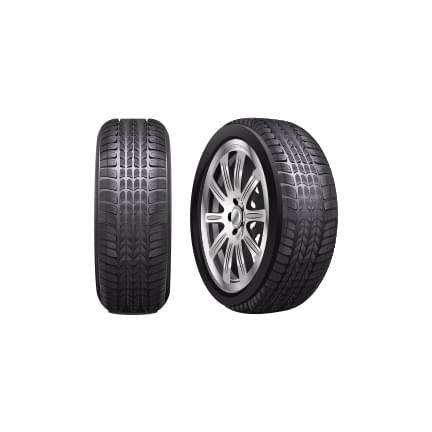
2. Water tanks can easily boil over, fuel supply systems can become clogged, batteries can become depleted, hydraulic brakes can fail due to expansion and deformation of the brake cups, and tire pressure can rupture as the outside temperature rises.
3. Under high temperature and high humidity conditions, the lubricating oil (grease) in various parts of the forklift can become thinner, reducing lubrication performance and causing increased wear on components under heavy loads.
4. High temperatures, coupled with insect bites, can disrupt the operator's sleep, leading to fatigue and heatstroke, which is detrimental to operator safety.
5. Frequent thunderstorms can cause water on the road surface. Water in the loading and unloading area can reduce adhesion and lead to slippage, compromising the safety of the forklift, personnel, and cargo.
二. Operating Precautions
1. Before the summer heat wave, prepare in advance by draining winter grease from the engine, drive axle, transmission, steering gear, and other parts. After cleaning, refill with summer grease as directed.
2. Clean the waterways, remove scale from the cooling system, and unclog the radiator fins. Regularly check the tightness of the fan drive belt.
3. Adjust the generator regulator appropriately to reduce the generator's charging current.
4. During operation, prevent engine overheating. Always monitor the coolant temperature gauge. If the coolant temperature is too high, take cooling measures. Maintain the coolant level and be careful not to boil over when adding coolant, which can cause burns.
5. Check tire temperature and pressure regularly. If necessary, park in a cool, shady location and wait until the tire temperature has cooled before resuming operation. Do not use methods such as bleeding air or pouring cold water on the tires to reduce pressure or temperature, as this may shorten tire life.
6. Regularly inspect brake performance to prevent brake failure caused by aging, expansion, and deformation of the master or slave cylinder cups, or by vaporization of brake fluid. 7. Adjust the battery electrolyte density and clear the vents on the battery cover, ensuring the electrolyte level is 10-15mm above the separator. Add distilled water as needed.
8. Ensure adequate sleep and maintain adequate energy before operation. If you feel tired, drowsy, or unresponsive during operation, stop the vehicle immediately to rest or rinse your face with cold water to ensure safe driving and operation.
9. Take precautions against heatstroke to prevent heat stroke.
Finally, inspect and confirm that all parts are in good condition before resuming normal operation.