English
 Germany

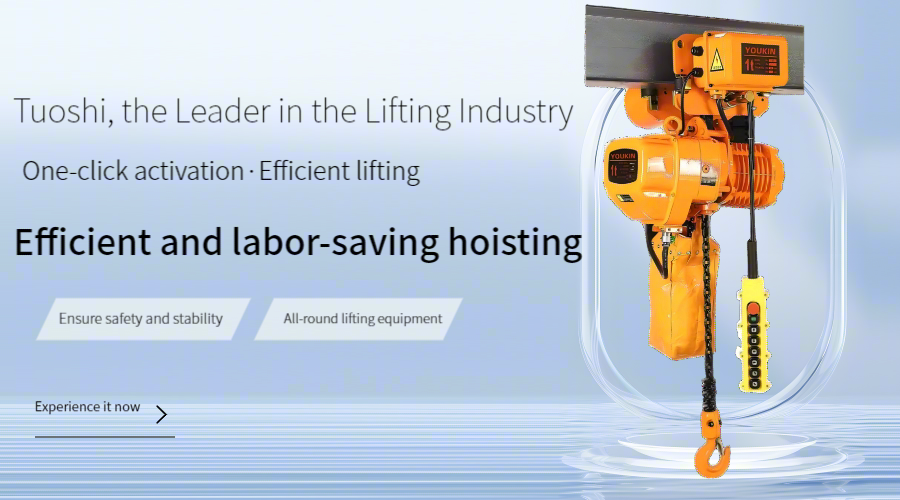
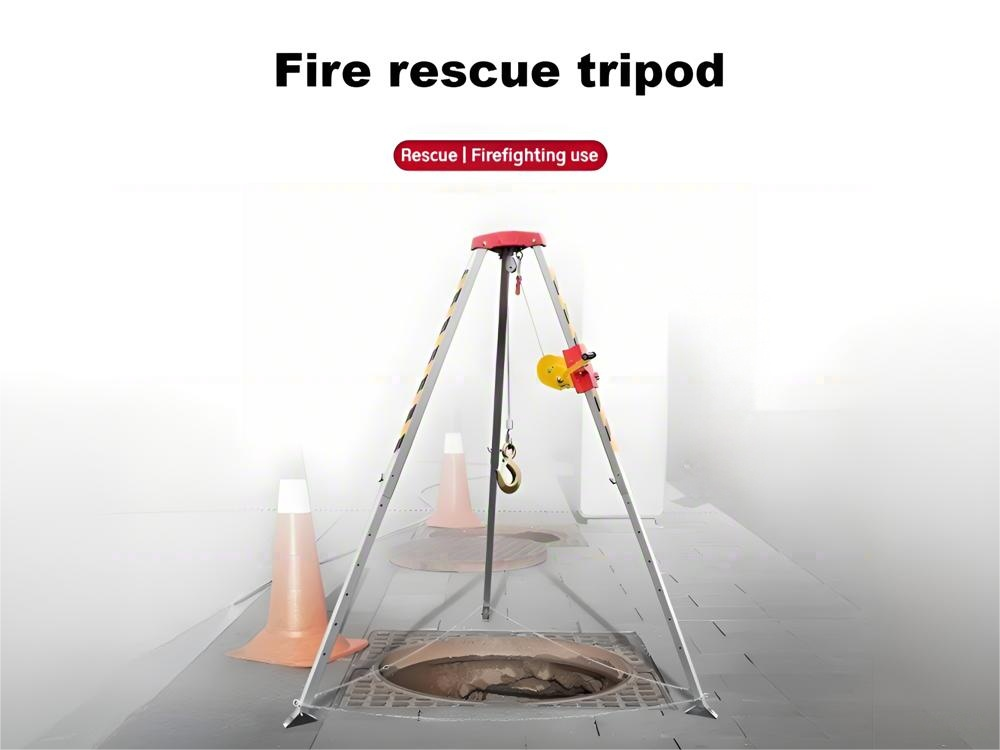
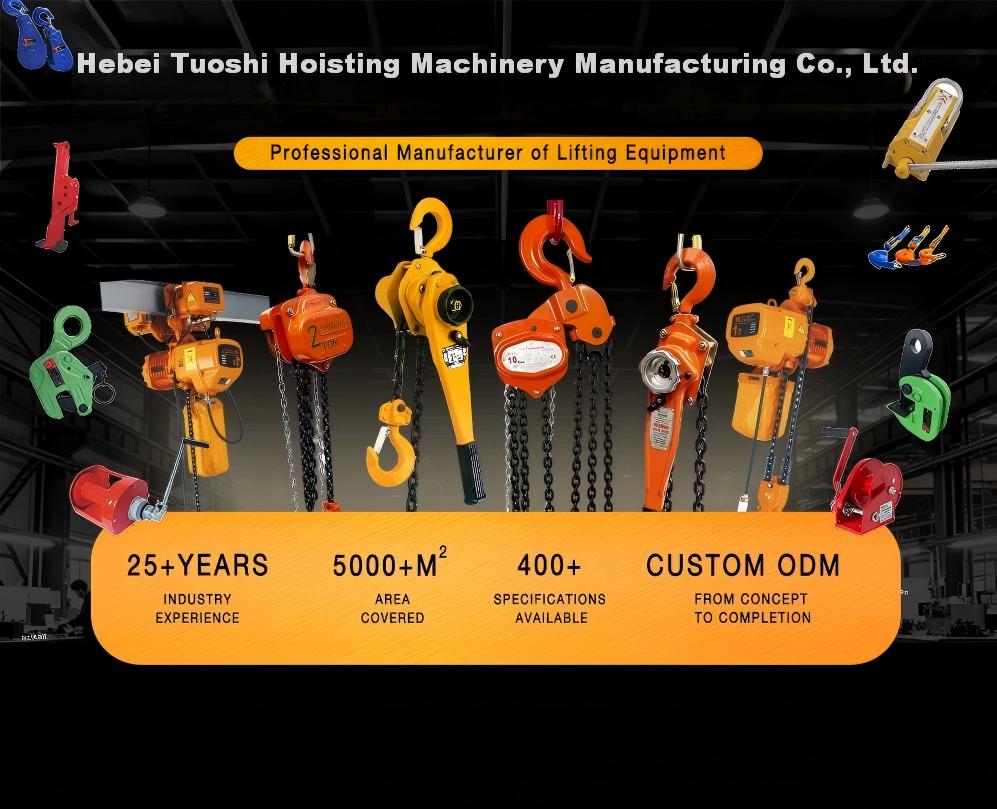
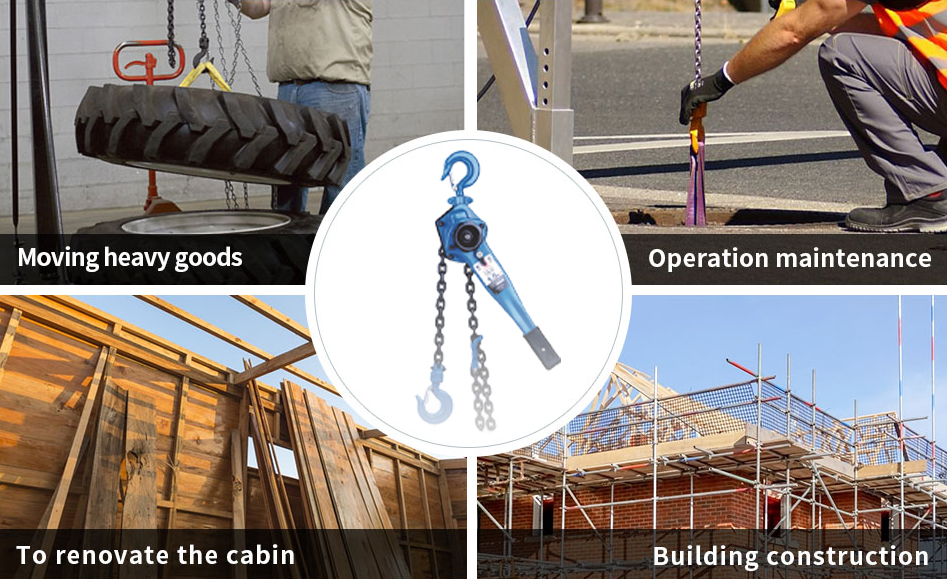

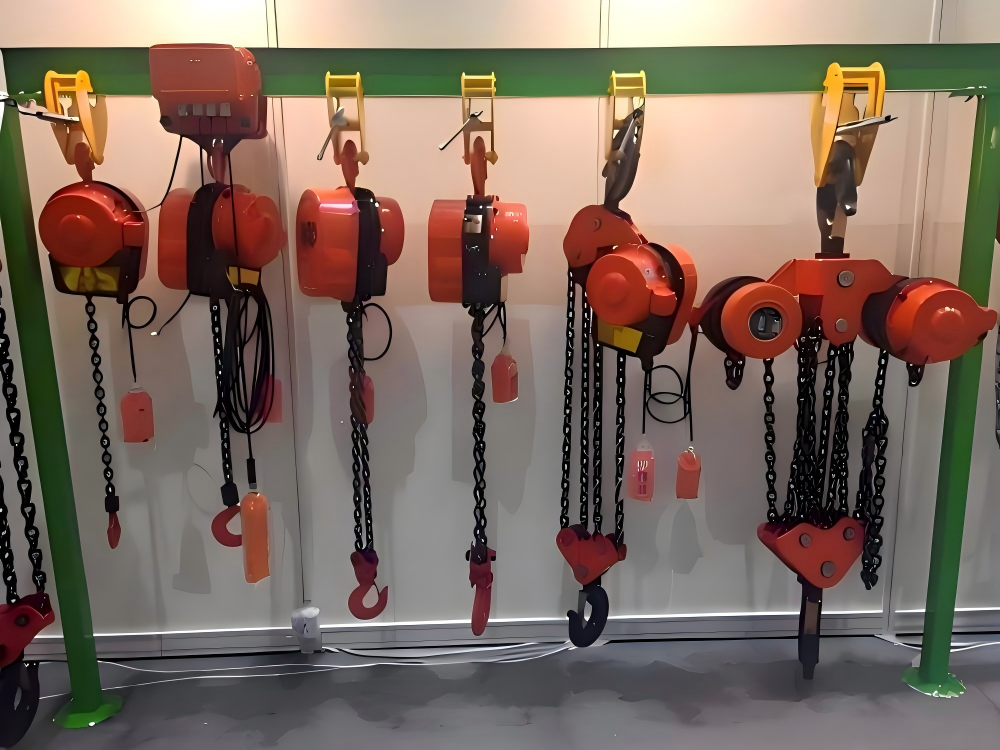
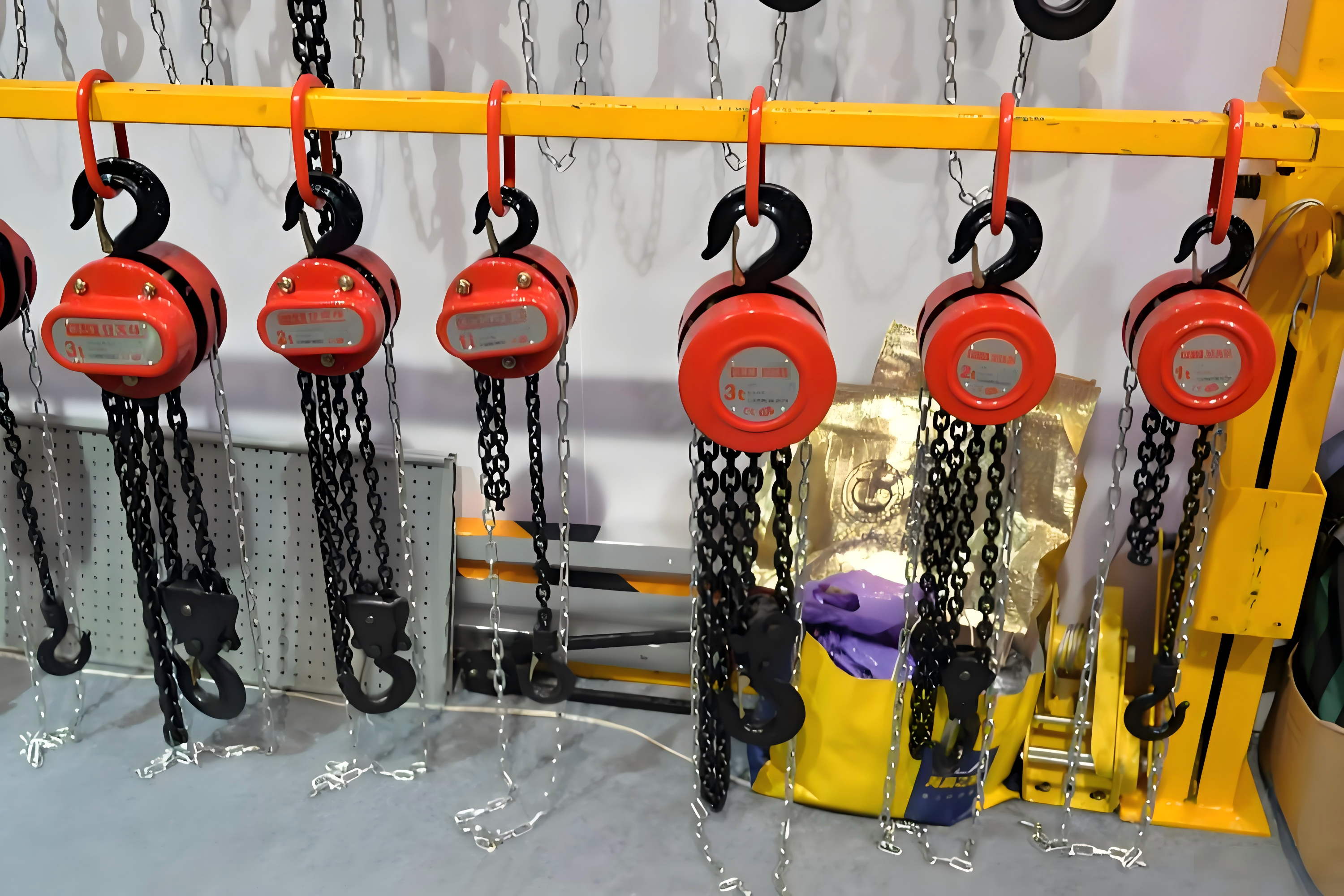
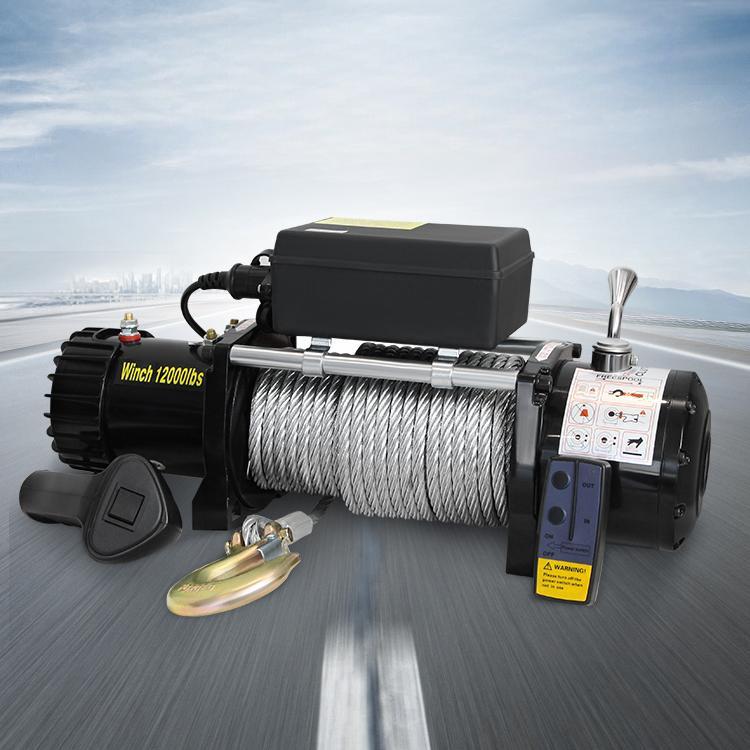
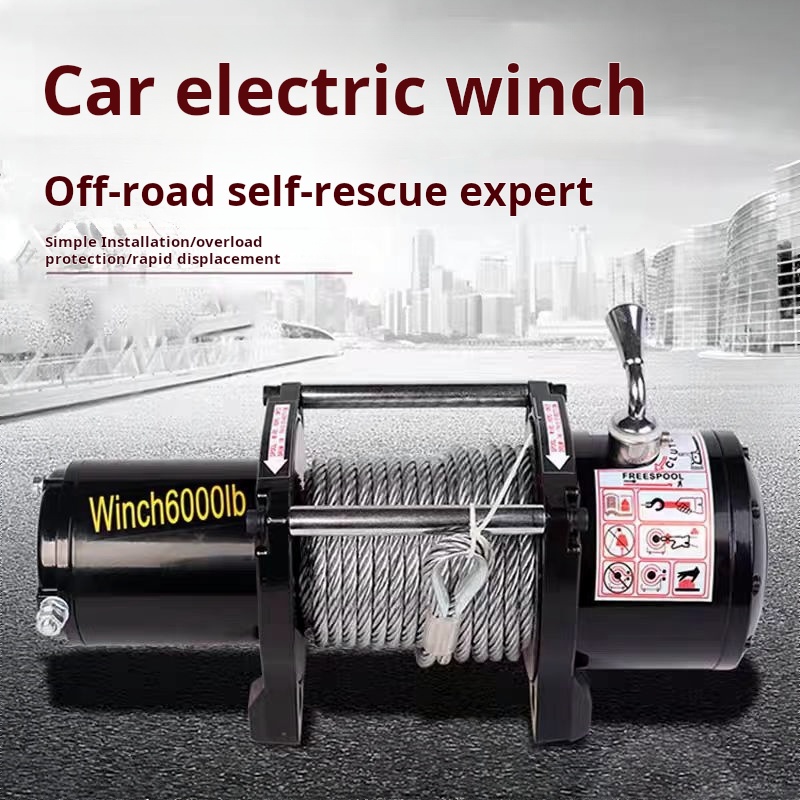
An electric winch is a mechanical device that uses a motor to drive a drum to pull, lift, or position heavy objects. It is widely used in vehicle self-rescue, industrial manufacturing, marine engineering, and emergency rescue. The global market size is steadily expanding, and technology is rapidly evolving towards lightweighting, intelligence, and high energy efficiency.
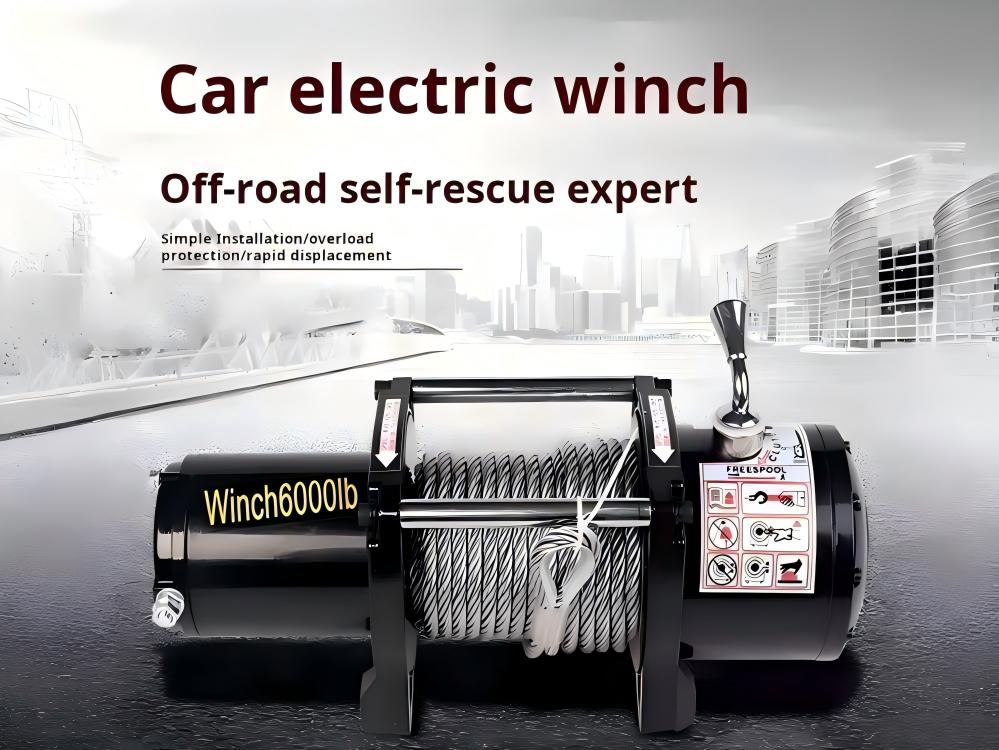
1. Core Definition: What is an Electric Winch?
An electric winch uses a motor to drive a reduction mechanism (usually planetary gears), which in turn drives a drum to wind up and unwind high-strength steel wire rope or synthetic fiber rope, thereby generating strong pulling force. Common power supplies include 12V/24V DC (vehicle-mounted) and 220V/380V AC (industrial use). Pulling forces range from several thousand pounds to tens of thousands of pounds, meeting diverse needs from off-road self-rescue to heavy industrial lifting.
2. Technological Frontier: How is the Industry Changing?
Today's electric winch es are no longer just "electric machines," but precision devices integrating intelligent control and materials science:
Intelligent: Integrating wireless remote control, CAN bus communication, load sensing, and overheat protection. High-end models feature automatic diagnostics, ensuring safer and more precise operation.
Lightweight and High-Efficiency: The housing has been upgraded from cast iron to aluminum alloy, significantly reducing weight; the motor technology has been upgraded from brushed to brushless, coupled with a planetary reducer, providing stronger torque and longer continuous operating time.
High Adaptability: Protection ratings have moved to IP68/IP69K, providing complete dust protection and withstanding high-pressure, high-temperature washing, adapting to extreme and harsh environments such as deserts, swamps, and the deep sea.
3. Application Scenarios: More Than Just Off-Road Rescue
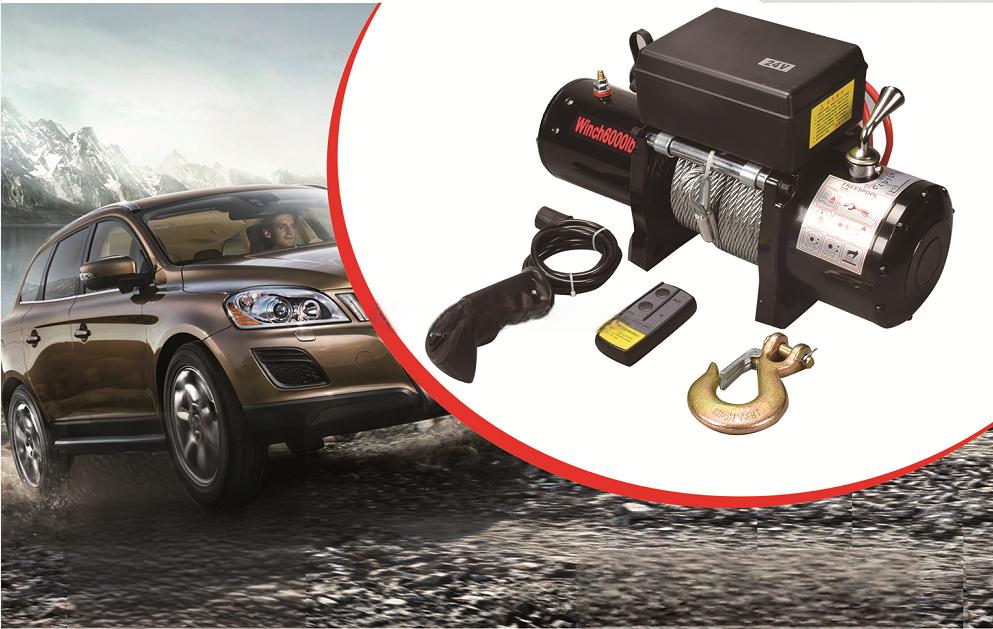
While off-road enthusiasts are familiar with the self-rescue capabilities of winches, electric winches are also an indispensable "invisible force" in commercial and industrial sectors:
Automotive and Construction Machinery: Used for vehicle towing, equipment handling, and auxiliary operations for special vehicles.
Marine and Maritime: Used for ship mooring, anchoring operations, and cargo lifting, requiring extremely strong corrosion resistance.
Industrial Manufacturing and Mining: Plays a crucial role in heavy material handling on production lines and lifting mine equipment.
Emergency Rescue: Key traction equipment in firefighting, obstacle clearing, and disaster relief.
4. Market Insights: Growth Drivers
The global electric winch market is exhibiting a dual-track pattern of "consumer-grade popularization" and "industrial-grade high-end development." The rise of the outdoor economy (e.g., increased ownership of SUVs, pickup trucks, and RVs) and increased global infrastructure investment are the main growth engines. Simultaneously, with the development of automation and new energy technologies, dedicated winches adapted to new energy vehicle platforms are becoming a new R&D hotspot.
5. Why Choose Us?
In the highly competitive global market, true brand value lies not only in pulling force parameters but also in reliability under extreme conditions, precise controllability, and full lifecycle service guarantees. Manufacturers with core R&D capabilities (such as self-developed motors and reducers) and strict quality control systems (such as ISO and CE certifications) are leading the industry from price competition to value competition by providing stable, safe, and high-value-added solutions.